

Your coastline story starts here
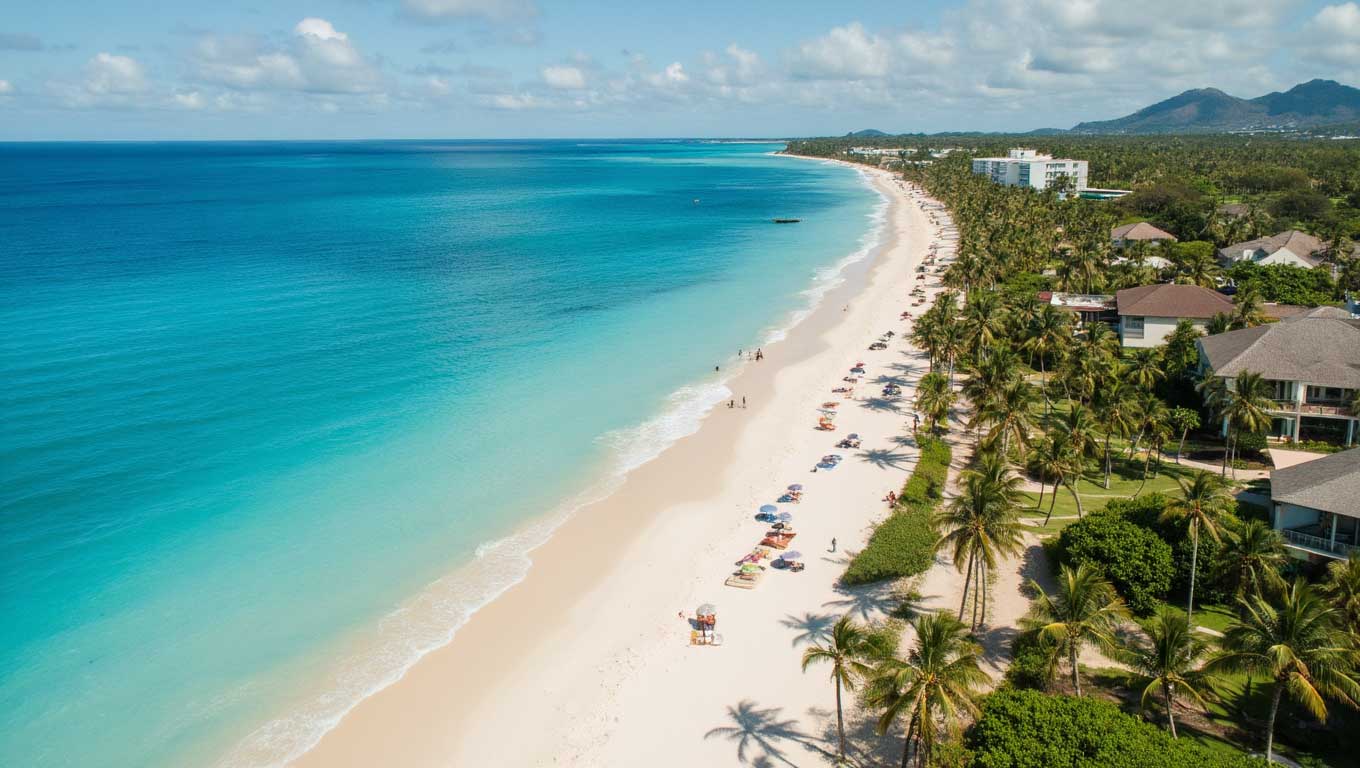
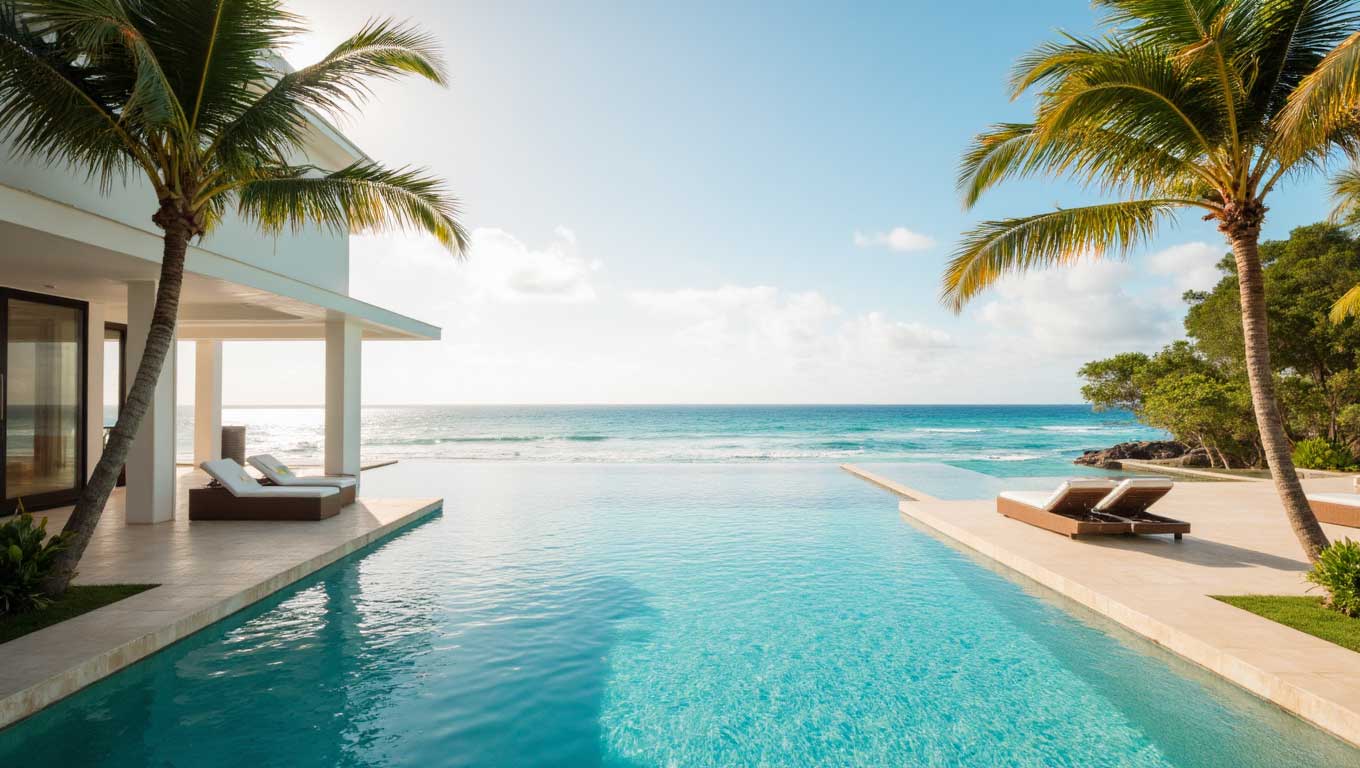
Salt air, open water, and homes built for mornings on the sand and winters away from the cold.
You did not come to the Dominican Republic only for a view. You came because sunrise can happen on the terrace, because the Caribbean high season overlaps with the months your hometown goes grey, and because a well-run beach home can earn while you are elsewhere.
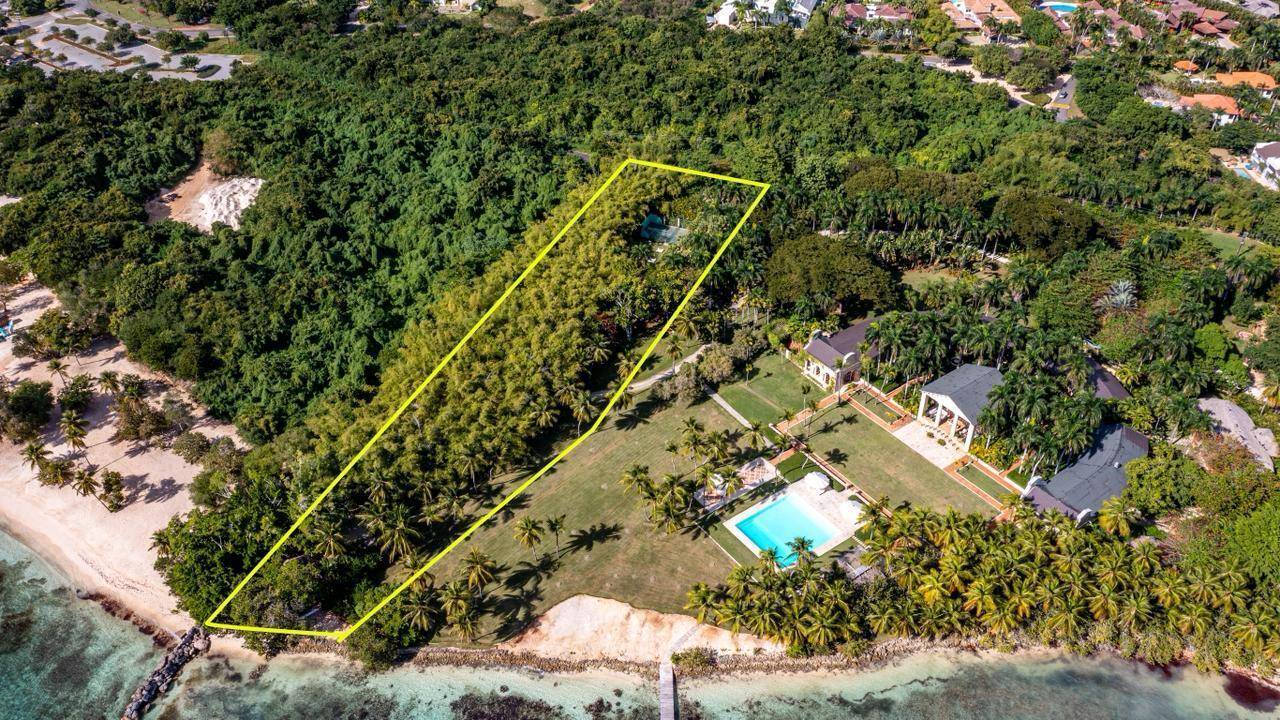
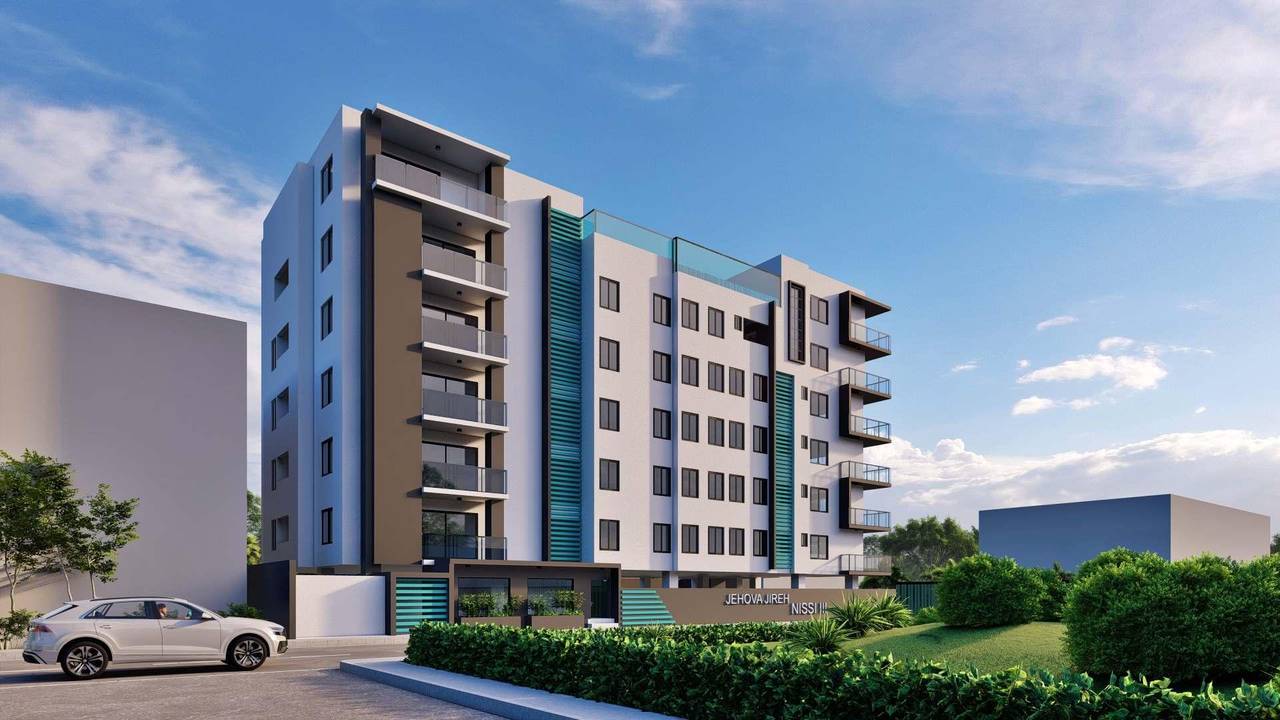
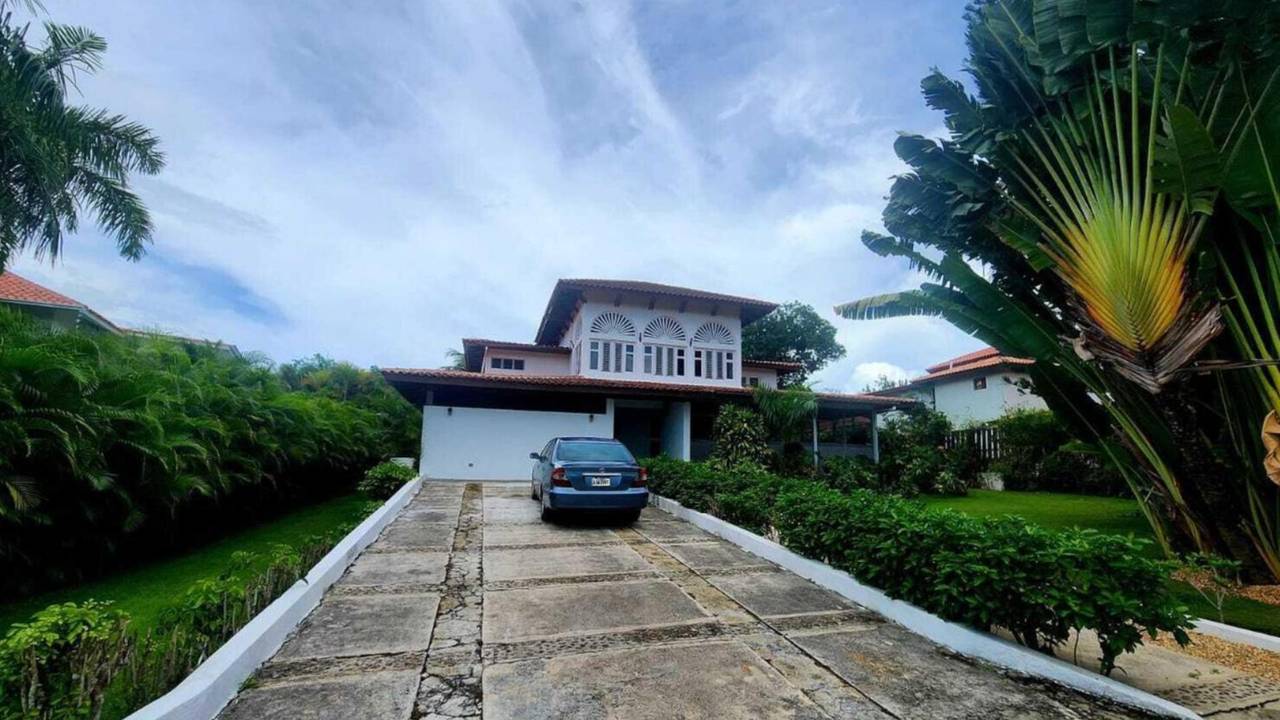
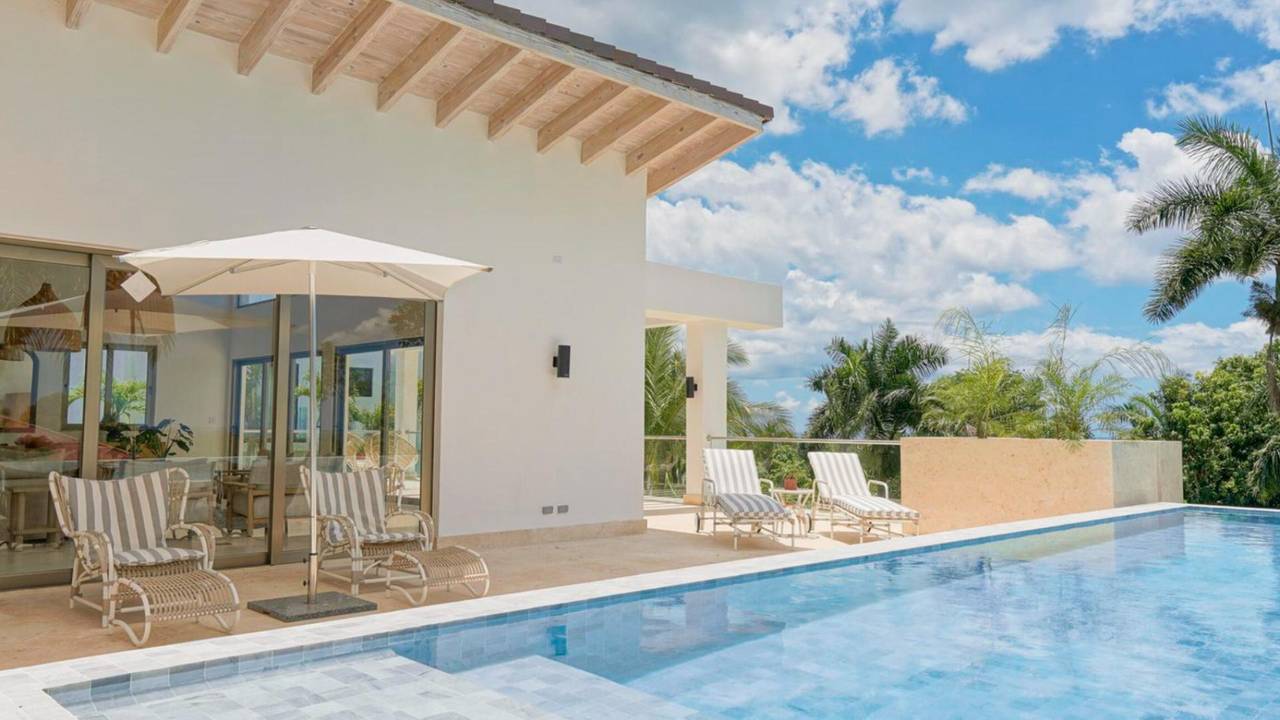
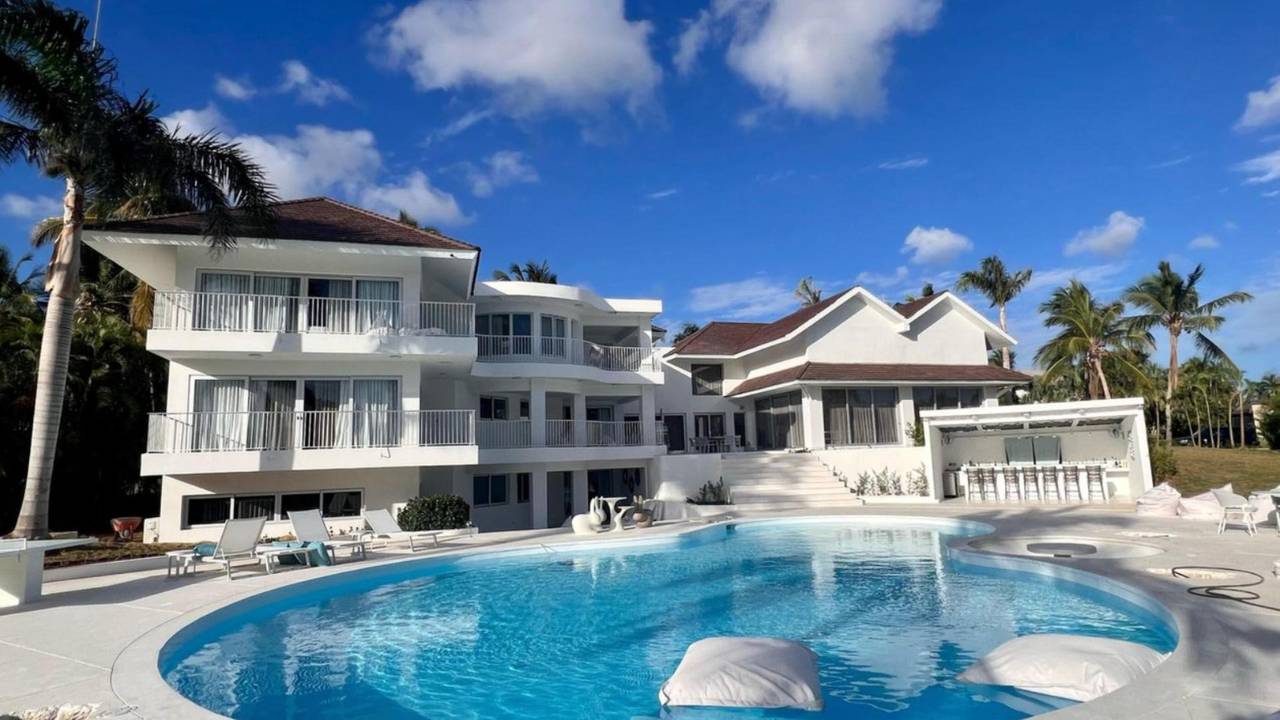
From Punta Cana and Cap Cana to Las Terrenas and the north coast, oceanfront and beach-close inventory spans turnkey condos, villa compounds, and resort-branded residences. The best buys pair lifestyle with homework: elevation, setbacks, insurance, and what “oceanfront” actually means on the deed.
For many owners, the measure of a good week is simple: coffee with the horizon, and a short walk to the water when the tide is right.
Why oceanfront living works here
The horizon factor
Wake to open water and trade grey winters for Caribbean high season, December through April, when snowbirds head south.
Beach rhythm
Morning swims, afternoon shade, and evenings on the terrace. The best inventory is built around how you actually live by the water.
Resort polish
Marinas, beach clubs, and staffed amenities in Punta Cana, Cap Cana, and established north-coast towns, without giving up real ownership.

Why buyers choose the coast
✅ Why it works
- Scarcity: True frontage is finite. Well-located stock tends to hold attention in peak season.
- Rental demand: Beach weeks at Christmas, Easter, and January–March can carry HOA and mortgage when operations are tight.
- Lifestyle stack: Dining, golf, marinas, and airport access in the major resort corridors.
- Part-time ownership: Lock-and-leave condos and managed villas fit owners who split time between countries.
⚠️ Underwrite before you buy
- Storm & surge: Elevation, setback, and community storm plans matter more than the listing photo at low tide.
- Insurance: Replacement costs and wind coverage vary by coastline. Quote early, not after closing.
- “Oceanfront” language: Beach-adjacent, ocean view, and deeded frontage are not the same thing.
- Salt & maintenance: Budget for corrosion, landscaping, and pool systems in a marine environment.
We are experts at oceanfront living in the Caribbean
We can walk you through setbacks, insurance quotes, rental rules, and how to compare true frontage with beach-close inventory before you fall in love with the view.
The investor mindset
Peak-season demand
“Why buy if I only stay three months?” Smart owners model rent for the weeks they are away. Beach inventory often peaks when northern cities go cold.
Snowbird strategy
Own for the winter: warm water, long daylight, and a guest experience that sells itself in January and February.
Rental hybrid
Rent holiday weeks at premium rates; live in the home the rest of the year when rules and operations support it.
Short-term rentals
Airbnb is allowed in the Dominican Republic. Confirm HOA and building rules in writing before you model aggressive nightly calendars.
Read the coastline like a pro
Elevation & setback
A short walk from the sand can mean calmer nights and lower drama. Ask for certificates and engineer opinions, not only marketing pins.
Easements & access
Who maintains the beach path? Is the view protected by zoning or only by today’s neighbor? Deed language should answer both.
High-tide reality
Walk the line at high tide, not only at golden hour. Practical access beats a pretty map when you live with the property year after year.
Find your fit on the coast
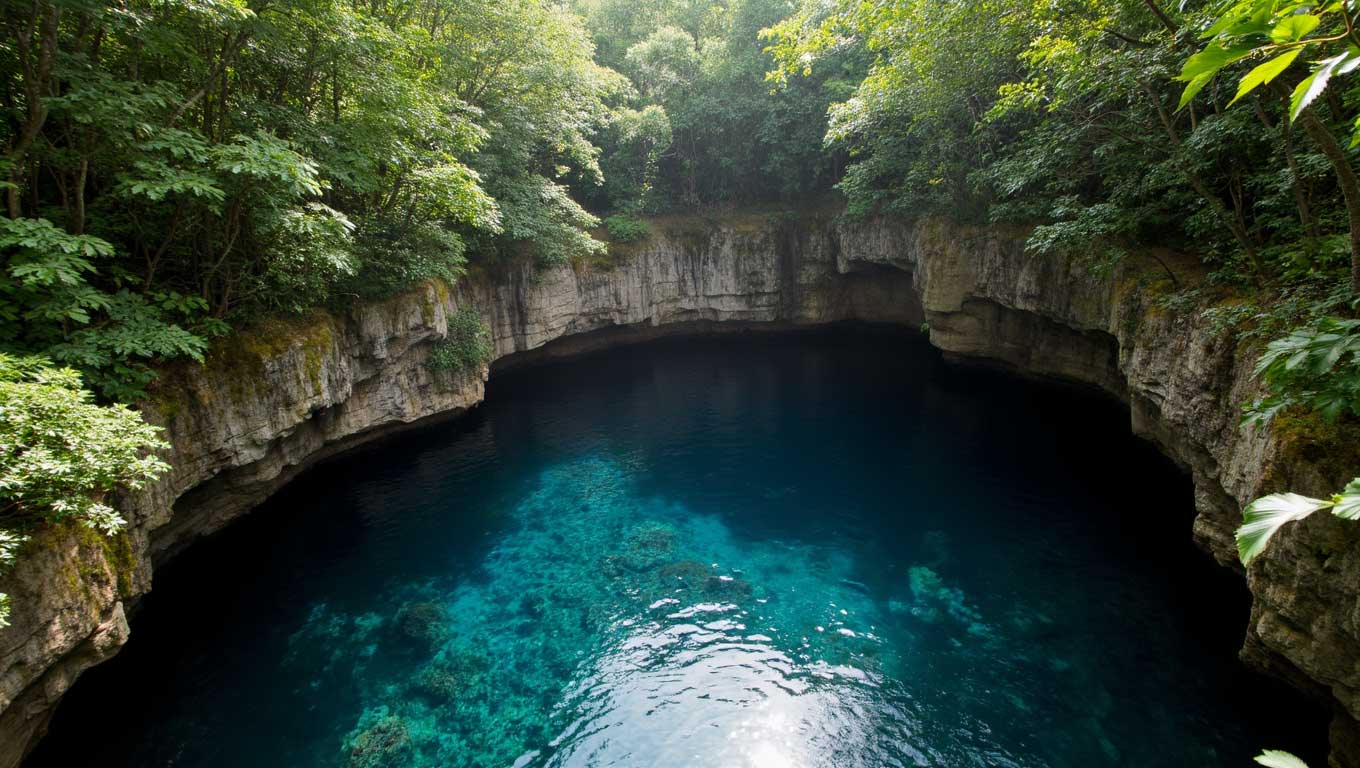
Deeded frontage, sunrise terraces, and the sound of surf as your default background. You want sand, not a distant glimpse.
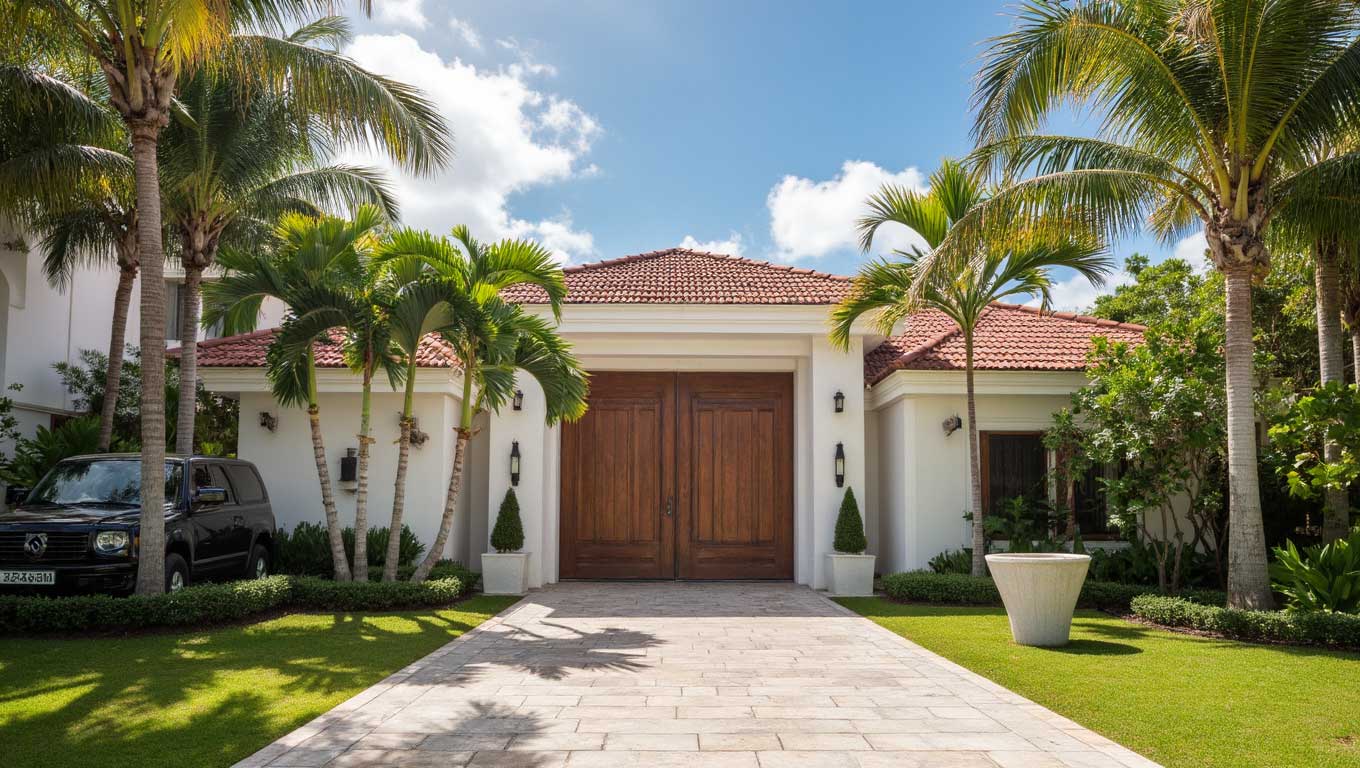
Beach-close condos and rental-friendly villas in communities with proven operators and clear HOA rental rules.
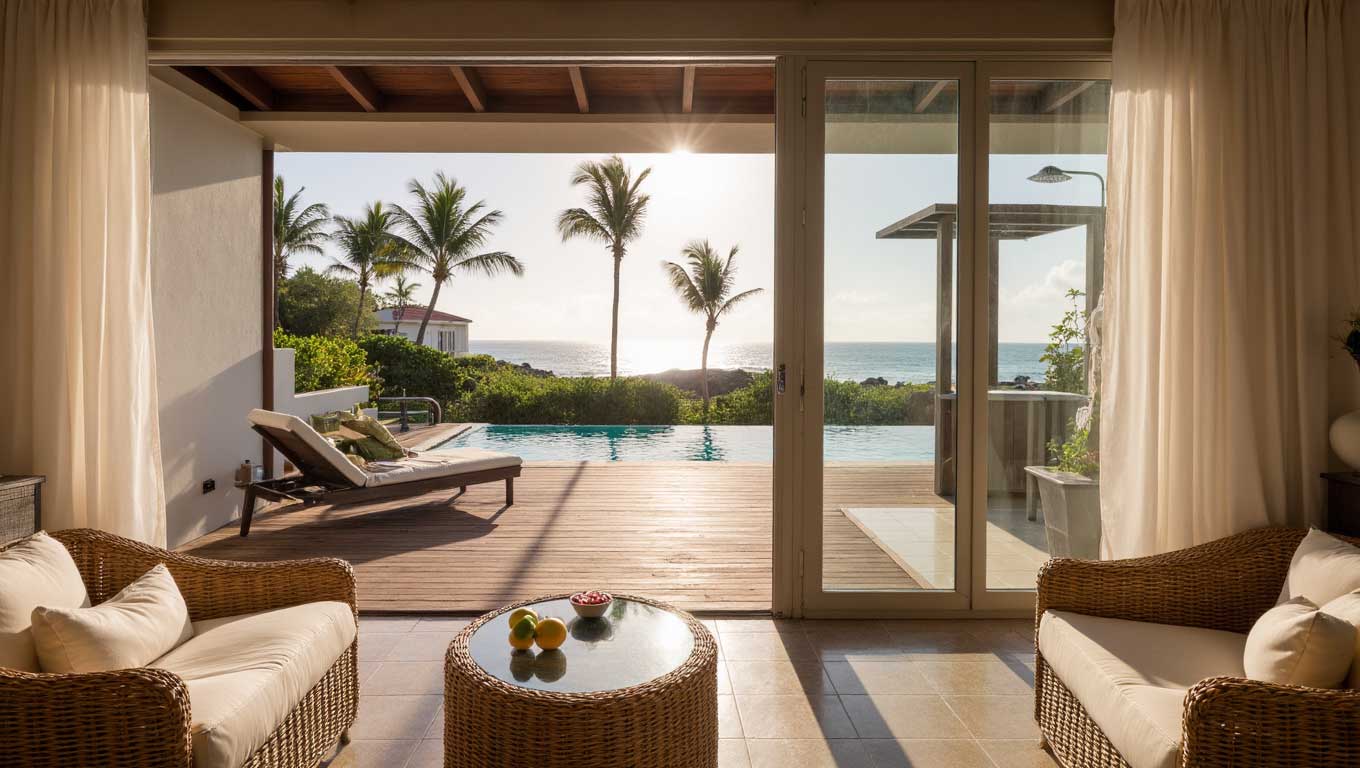
Gated resorts with pools, kids’ programs, and easy airport access, places everyone actually wants to return to each winter.

Did you know?
Browse oceanfront properties